
Labor Market Trends: Which Experts Will Serbia Invest in Most in 2026?
The labor market in Serbia is constantly transforming, driven by large infrastructure projects, manufacturing development, and growing consumption. While technology advances, human labor and skills remain the unshakable pillars of the economy. The main challenge facing domestic employers is the lack of qualified and available local workforce in certain, crucial sectors. This gap is increasingly being filled by reliable and motivated workers from abroad. Let’s look at which positions will dominate demand in 2026 and why.
Construction and Infrastructure: The Backbone of Economic Growth
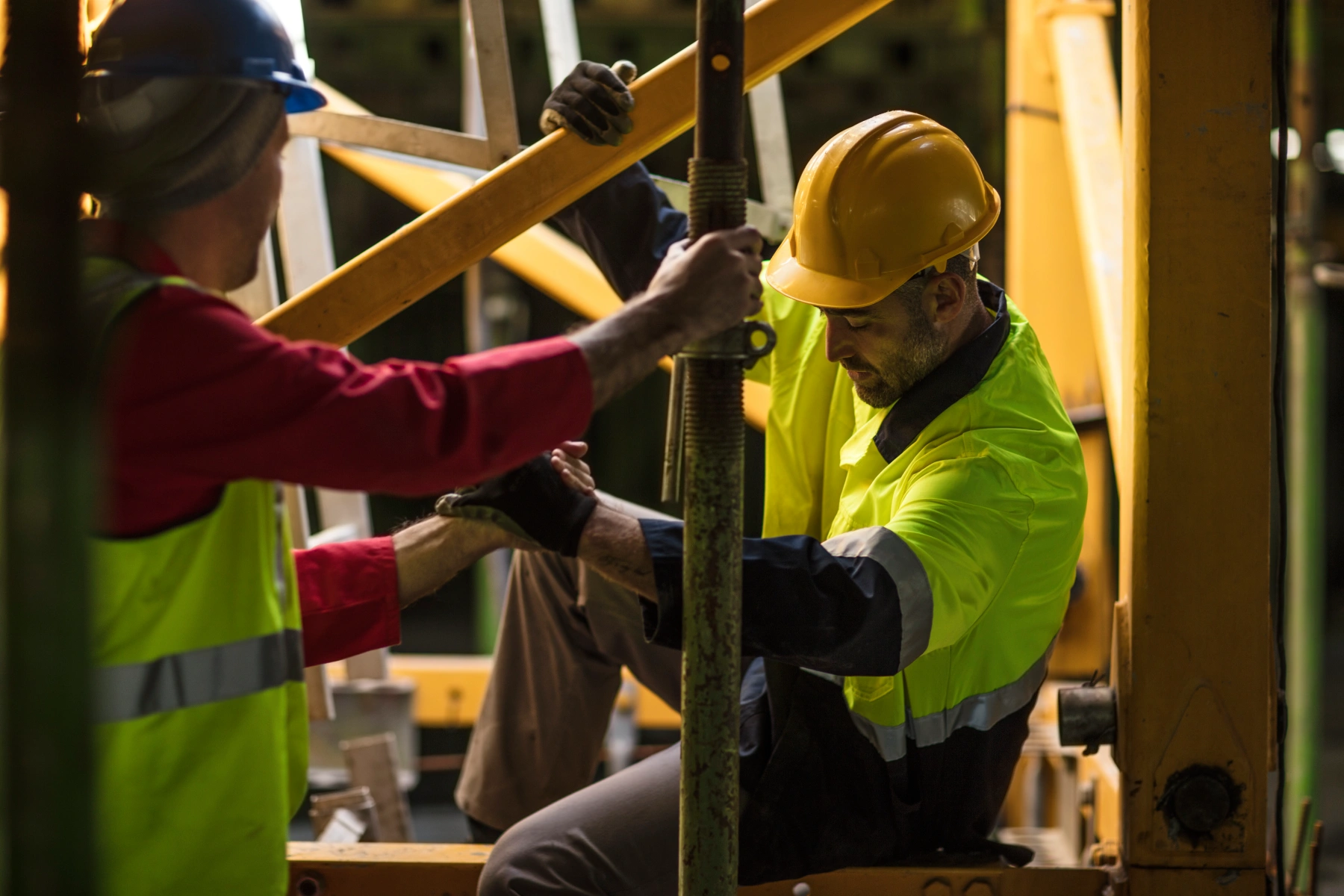
The construction sector is a driver of the entire economy. The construction of highways, residential and commercial buildings, and factories requires a large number of people on the ground. The most sought-after positions in this sector will be:
- Construction Workers (skilled and unskilled): For all phases of construction, from rough to finishing works.
- Reinforcement Workers (Armirači): Specialized craftsmen for preparing the steel reinforcement of concrete, essential for every modern building.
- Excavator Operators and Heavy Machinery Operators: Operating specialized equipment for excavation and installation requires high specialization and experience.
- Carpenters and Joiners: For the production and installation of wooden structures, windows, doors, and furniture.
Transport, Logistics, and Distribution: The Lifeblood of Trade
With the expansion of e-commerce and increased manufacturing, the supply chain requires more and more reliable professionals.
- Truck Drivers (C, C+E categories): Especially in demand for transporting construction materials, bulk goods, and intercity/international haulage.
- Delivery Drivers and Couriers: For the “last mile” in delivering food, packages, and shipments, both in urban centers and across the country.
- Warehouse Workers and Manual Laborers in Logistics: For loading/unloading, packing, order picking, and managing goods in warehouses and distribution centers.
Manufacturing and Maintenance: Industrial Stability
Industrial manufacturing requires a stable workforce for continuous processes.
- Manual Workers in Production: For work on assembly lines, product packaging, quality control, and auxiliary tasks.
- Metalworkers and Welders: Qualified craftsmen essential in the metalworking and machinery industries.
- Machine Operators and Production Machine Operators.
- Maintenance and Cleaning Workers: For both industrial facilities and business premises.
How to Prepare for the Future? Tips for Employers
Advance human resource planning is becoming a strategic imperative.
- Analysis of Future Needs: Assess your capacity for upcoming projects now.
- Cooperation with Reliable Agencies: Partnership with a licensed agency like ICONIC MANPOWER VISION gives you access to a broad, pre-vetted database of candidates from multiple countries.
- Focus on Legality and Integration: Legal employment and support in worker integration guarantee long-term stability and productivity.
Conclusion
The year 2026 will continue the trend of growing demand for workers. Understanding these trends and taking proactive action will enable employers to remain competitive, meet project deadlines, and develop their business smoothly. The key is finding a reliable partner who goes beyond mere mediation and offers a comprehensive solution for managing a global workforce.
If you would like to discuss your staffing needs for 2026 and how we can help you build a stable and efficient team, get in touch with us.